
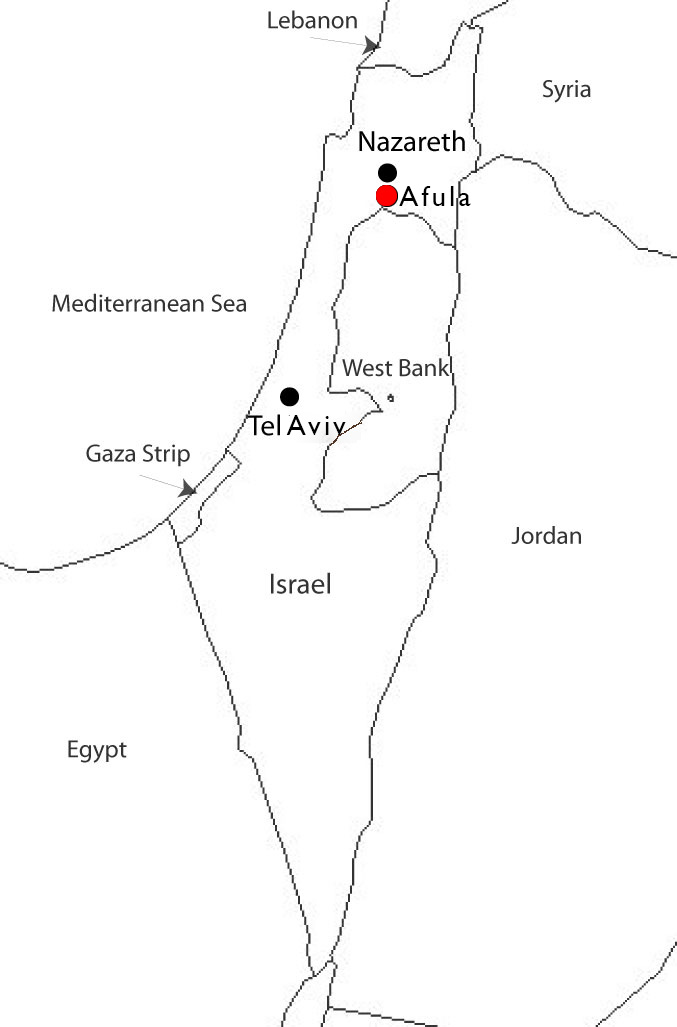
Avinoam Bar, known now as Noma Bar, was born in 1973 in the small town of Afula in northern Israel. His father was a forester for the Jewish National Fund and his mother worked in the tax bureau. In his small-town Bar does remember learning
from a retired school teacher wh became a sculptor. This man created ready-mades from old tractor parts into sculptors that were seen around their town. Bar, like all eighteen-year-old Israeli’s, joined the military in the mandatory
national draft. He spent his time serving in the naval officers training school, while simultaneously compiling his portfolio to apply to the Bezalel Academy of Arts and Design in Jerusalem. After coming from a very small town in the
north of Israel, Bar felt a bit of a culture shock. He did not think a place where others loved art and design in a similar way the him existed. Bar is currently married with two daughters and living in London.
Career
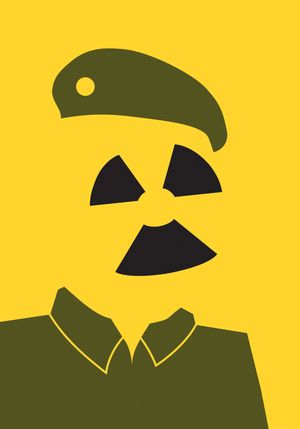
His first encounter with pictographs, which his graphic style stems from, was in a shelter during the first gulf war. Saddam Hussein’s photo was seen all over in newspapers, magazines, graffiti, and on the television. He was in a shelter
with his family and he saw the radioactive icon in a newspaper. He sketched Saddam Hussein around the icon. This story is what started his interest and graphic style based on icons, hidden meanings, and negative space. "I have liked
stories all my life," Bar says from his current home in London, to which he moved back in 2000. "Telling them, reading them - and I think the original inspiration for my work was more about that than just pictograms. I always wanted
to express myself, but I couldn't really use my language. If I was still in Israel, I might be an author rather than an illustrator, and actually I was trained as a typographer. On coming to London, I discovered there wasn't much demand
for Hebrew typography. So, looking back, I took a kind of a side path and started to play with stories in pictures."
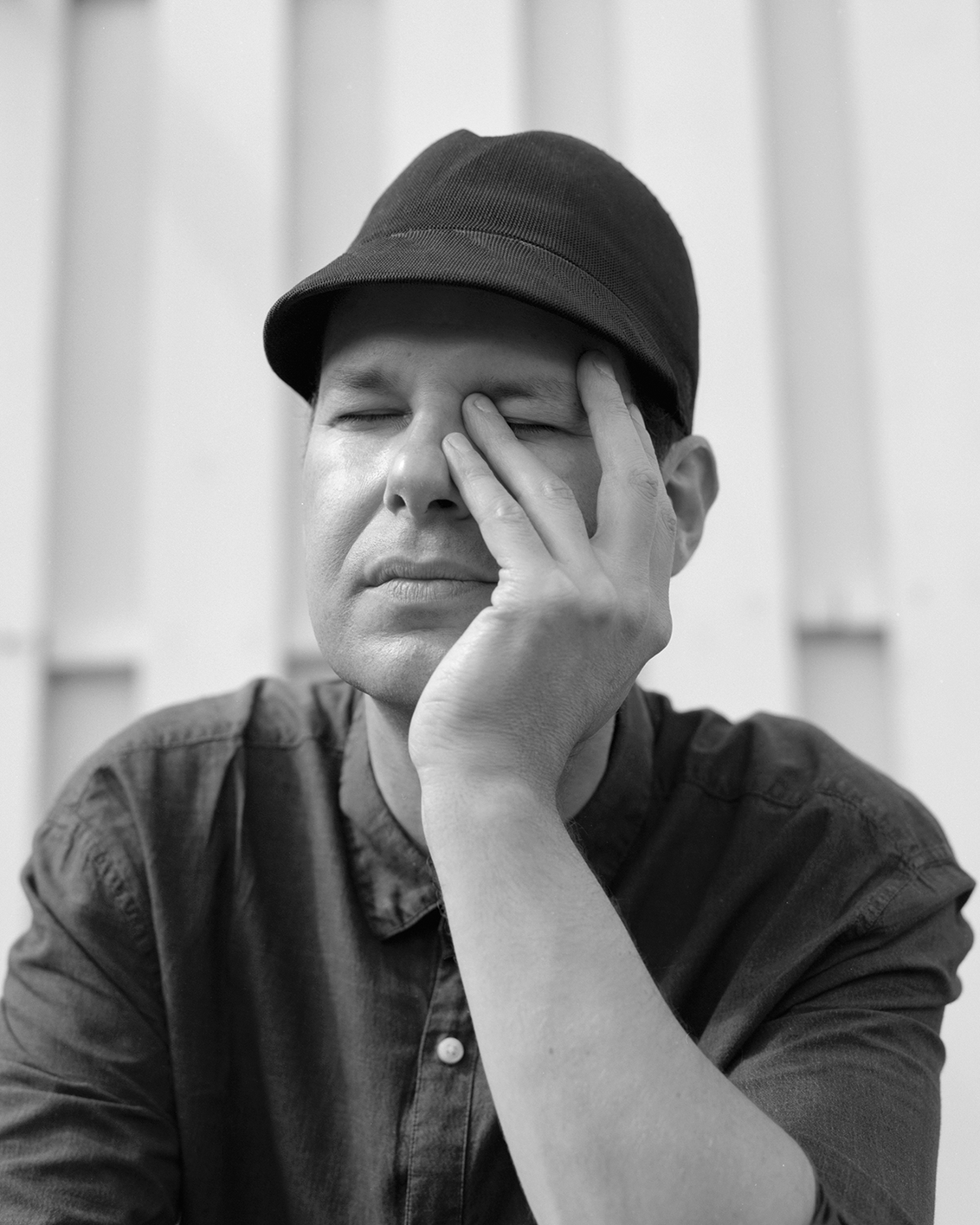
Bar is an illustrator and graphic designer. His current desk’ is hidden away in the Highgate Woods in London a few feet from a footpath. It is here that he works, pen in hand, only leaving for meetings in the city or to go home to turn
his ideas into the thought-provoking, inventive and sometimes controversial work he is famed for. As a student Bar focused on Hebrew typography and font design, but when he went to London he realized his Hebrew typographic skills would
be in rare supply. He realized that he will need to find a graphic language of his own. That’s when he started to look more into images and negative space. His graphics can be understood by anyone. Bar works regularly for The
Guardian newspaper, The New York Times, Time Out Magazine, and other publications around the world. He has worked on posters for Nike, Adidas, Google, and IBM. He has also created book covers for Haruki Murakami and Don Delillo. He
has also published two books and has sold many art prints.